Who Called You From 4252163314, 4256550445, 4314461547, 4314515641, 4314515643, and 4314515644? Find Out Everything About Any Phone Number

Unidentified calls from numbers like 4252163314 and 4314515644 can provoke concern and curiosity. Many individuals seek clarity on these mysterious callers. The rise of spam and telemarketing has heightened the need for effective identification strategies. Utilizing reverse lookup tools and user feedback plays a crucial role in this process. Understanding available resources can empower users against unwanted communications. What methods can truly uncover the identities behind these numbers?
Understanding Caller ID and Its Limitations
Although Caller ID technology has become a standard feature in modern telecommunications, its limitations often undermine its intended purpose of providing clear identification of incoming callers.
Caller ID accuracy can be compromised by spoofing techniques, leading to privacy concerns for users. As individuals seek transparency, the inherent flaws in this system highlight the need for more reliable methods of caller verification in an increasingly interconnected world.
Tools and Resources for Identifying Unknown Numbers
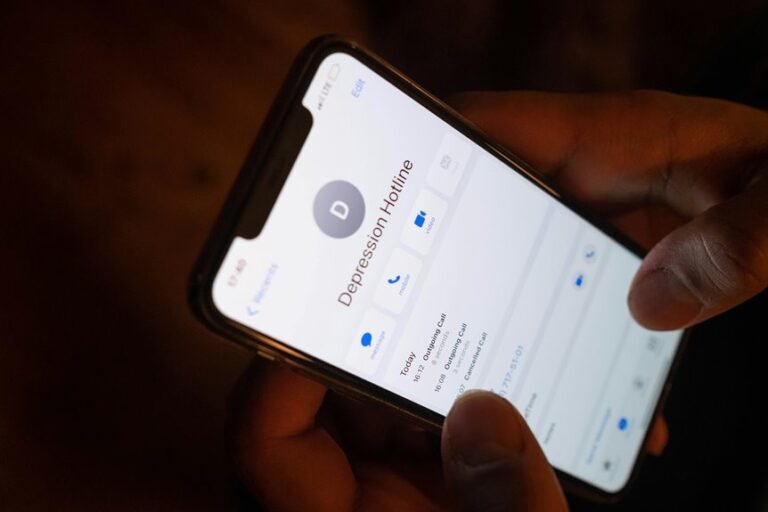
As individuals increasingly encounter unknown phone numbers, various tools and resources have emerged to assist in identifying these calls.
Reverse lookup services allow users to input a number and retrieve associated information, enhancing caller identification.
Additionally, mobile applications and websites provide user-generated feedback, further assisting in discerning the nature of unknown calls.
These resources empower individuals to reclaim their communication experience.
Protecting Yourself From Spam and Telemarketer Calls
To effectively protect against spam and telemarketer calls, individuals must adopt proactive strategies that leverage technology and regulatory resources.
Implementing call-blocking applications enhances spam call prevention, while understanding telemarketer tactics can empower individuals to recognize deceptive approaches.
Additionally, registering on the National Do Not Call Registry provides a regulatory safeguard, significantly reducing unsolicited communications and preserving personal freedom from intrusive calls.
Conclusion
In the labyrinth of modern communication, identifying unknown callers is akin to navigating a maze where every turn could lead to unwanted disruptions. By leveraging reverse lookup services, mobile applications, and user feedback, individuals can illuminate the shadows cast by unfamiliar numbers. Additionally, engaging with resources like the National Do Not Call Registry serves as a protective barrier against intrusive calls. Ultimately, arming oneself with the right tools enhances personal security and peace of mind in an increasingly connected world.