AI & Energy Grids: Smart Demand, Smart Supply

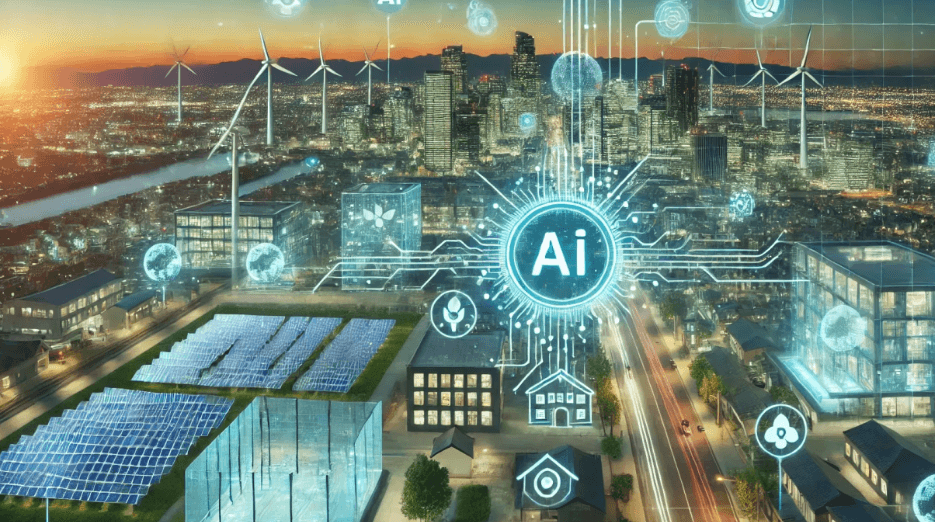
AI is reshaping energy grids by refining demand forecasting and optimizing supply management. Through sophisticated algorithms, utilities can predict energy consumption patterns with greater accuracy. This capability allows for more effective resource allocation and reduced waste. Moreover, the integration of smart technologies enhances real-time energy resource management. As the energy landscape evolves, the implications of AI on sustainability and consumer empowerment become increasingly significant, prompting a closer examination of future trends and challenges.
Transforming Demand Forecasting With AI
As energy consumption patterns become increasingly complex, leveraging artificial intelligence (AI) for demand forecasting has emerged as a transformative solution.
AI algorithms enhance predictive analytics, enabling utilities to anticipate energy needs with unprecedented accuracy.
This foresight not only optimizes resource allocation but also empowers stakeholders to make informed decisions, promoting a more sustainable energy landscape while ensuring freedom from inefficiencies inherent in traditional forecasting methods.
See also: AI & Disinformation: Tools to Detect & Counter Fake News
Enhancing Supply Management Through Intelligent Systems
While traditional supply management often struggles with inefficiencies and reactive strategies, the integration of intelligent systems offers a paradigm shift in operational effectiveness.
Utilizing predictive analytics enables organizations to anticipate demand fluctuations, facilitating resource optimization. This proactive approach not only enhances reliability but also minimizes waste, ultimately fostering a more resilient energy supply chain that aligns with the evolving landscape of energy management.
The Future of Sustainable Energy Integration
The future of sustainable energy integration hinges on the seamless amalgamation of renewable resources, advanced technologies, and smart grid infrastructures.
Renewable innovations will drive efficiency, while enhanced grid flexibility allows for the dynamic management of energy supply and demand.
This integration fosters resilience, empowers consumers, and paves the way for a decentralized energy landscape, ultimately supporting a sustainable future that champions individual freedom and environmental stewardship.
Conclusion
As the sun sets on traditional energy paradigms, AI emerges as the lighthouse guiding utilities through turbulent seas. By illuminating the pathways of demand forecasting and supply management, it transforms the energy landscape into a symphony of efficiency and sustainability. This harmonious integration not only nurtures the growth of renewable resources but also cultivates a resilient ecosystem where consumers become stewards of their energy futures. In this new dawn, the interplay of technology and nature fosters a more sustainable world.