AI & Human Creativity: Collaboration or Replacement?

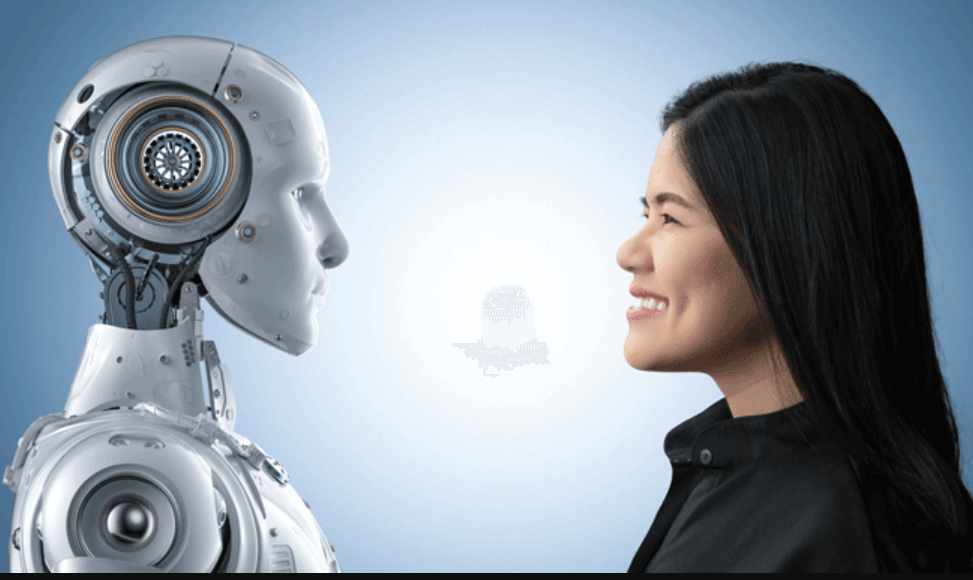
The intersection of AI and human creativity presents a complex dynamic. As AI tools evolve, they offer new avenues for artistic expression while simultaneously challenging the essence of traditional artistry. This relationship raises critical questions about collaboration versus replacement. Can AI truly enhance human creativity, or does it risk undermining the artist’s unique voice? The implications of this partnership extend far beyond mere aesthetics, hinting at a fundamental shift in the nature of creation itself.
The Evolution of AI in Creative Fields
As artificial intelligence continues to advance, its integration into creative fields has transformed the landscape of artistic expression and production.
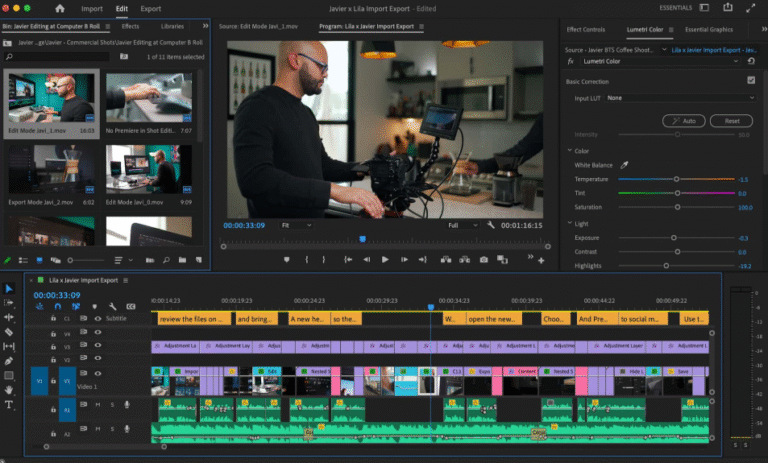
AI advancements have streamlined creative processes, enabling artists to explore new dimensions of artistic innovation.
This technology integration facilitates collaboration between humans and machines, pushing the boundaries of creativity, and inviting a reevaluation of traditional artistic roles and methodologies in an increasingly digital world.
See also: AI & Energy Grids: Smart Demand, Smart Supply
The Benefits of Human-AI Collaboration
The integration of artificial intelligence in creative fields has not only reshaped artistic practices but has also paved the way for new collaborative opportunities between humans and machines.
This partnership fosters creative synergy, enabling artists to explore uncharted territories. By combining human intuition with AI’s analytical capabilities, enhanced innovation emerges, driving creativity to new heights and inspiring breakthroughs that challenge traditional boundaries.
The Potential Risks of AI in Artistic Expression
AI’s growing presence in the realm of artistic expression raises significant concerns regarding authenticity, originality, and the potential devaluation of human creativity.
As algorithms generate art, authenticity concerns emerge, questioning whether AI-generated pieces can hold genuine artistic value.
Additionally, copyright issues complicate ownership rights, posing risks for artists, and potentially undermining the very essence of creative freedom that art embodies.
Conclusion
As the landscape of creativity evolves, the interplay between AI and human artistry presents both unprecedented opportunities and challenges. While this collaboration can push creative boundaries, it also raises critical questions about authenticity and ownership. As artists navigate this brave new world, they must find a balance to ensure that technology serves as a tool rather than a crutch. Ultimately, the future of artistic expression may depend on whether humans and AI can truly work hand in hand, rather than competing against each other.